
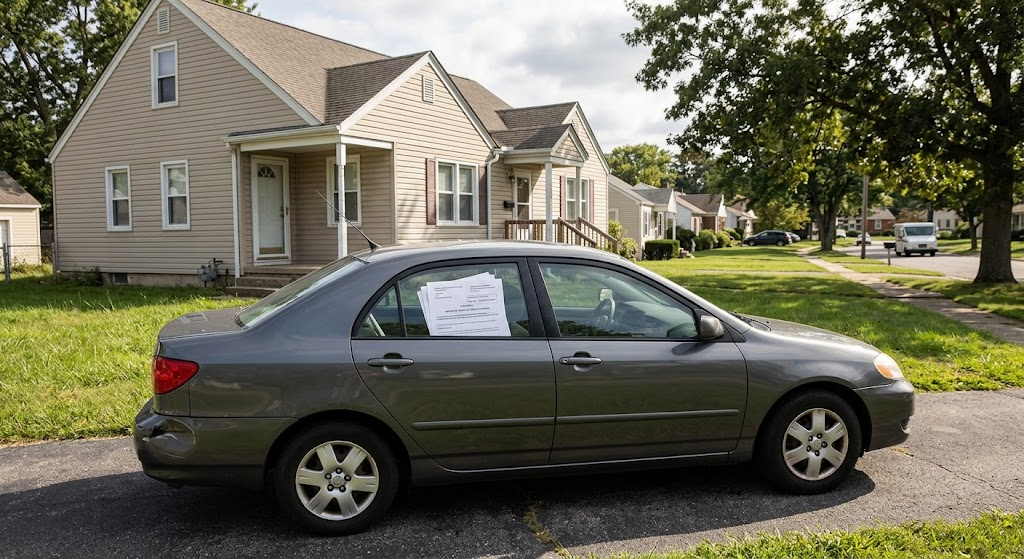
For most people, a car is not a luxury. It is how you get to work, drop off the kids, and keep your income steady. So when you are thinking about bankruptcy, the first worry is usually simple: will I lose my car?
The honest answer is that in many cases you can keep it. But the outcome depends on the type of bankruptcy, whether you owe money on the car, how much equity it has, and your state’s rules. This guide explains what happens to your car if you file for bankruptcy, what choices you will have, and the mistakes to avoid.
This article is general information, not legal advice. Bankruptcy law is technical and varies by state, so talk to a licensed bankruptcy attorney about your situation.
The Short Answer
- If you keep making payments and stay current, you can often keep a financed car in either Chapter 7 or Chapter 13.
- If you own the car outright, it is protected as long as its equity falls within your exemption limits.
- If you are behind on payments, Chapter 13 is often the better tool, because it lets you catch up over time.
- If the car is a financial burden, bankruptcy may let you give it back and walk away from what you owe.
The Automatic Stay: Your First Layer of Protection
As soon as you file, the court issues an automatic stay. This is an order that generally stops creditors from collecting, including repossession of your car. If your car was about to be taken, filing can pause that right away.
The stay is not permanent. It can be lifted if you stop making payments, fail to insure the car, or do not follow the rules of your case. Treat it as breathing room, not a free pass.
What Happens in Chapter 7
Chapter 7 is a liquidation bankruptcy. It usually moves quickly, often within a few months. Your car falls into one of two groups.
If you owe money on the car
You generally have these choices:
- Keep the car and continue the loan. In some states and courts, you can keep paying as agreed without any new agreement. Others require more.
- Reaffirm the debt. You sign a new agreement stating you will remain responsible for the loan. The lender keeps its lien and you keep the car. If you default later, you can still owe the money, so think hard before agreeing.
- Redeem the car. You pay the lender the car’s current value in one lump sum, instead of the full loan. This can help if you owe far more than the car is worth, but few people have the cash.
- Surrender the car. You give it back. The loan balance is discharged, and you are not expected to pay a deficiency.
If you own the car free and clear
The trustee looks at your equity, which is the car’s value minus any loan. Every state has exemptions that protect a certain amount of vehicle equity, and there is also a federal exemption in states that allow it. If your equity is under the limit, you keep the car. If it is higher, the trustee could sell the car, pay you your exempt amount, and use the rest for creditors.
What Happens in Chapter 13
Chapter 13 is a repayment plan, usually lasting three to five years. You keep your property, including your car, as long as you follow the plan.
This is often the better choice if:
- You are behind on car payments and want to avoid repossession
- You have equity above Chapter 7 limits
- You make too much income to qualify for Chapter 7
Key car options in Chapter 13:
- Catch up on missed payments over the life of the plan, while staying current going forward.
- Cramdown. For many car loans older than 910 days, you may be able to reduce the secured part of the debt to the car’s market value and pay the rest as unsecured debt, often at a fraction of the cost. Loans taken out within 910 days of filing usually cannot be crammed down.
- Lower interest rates and payments in some situations, depending on the court and the facts.
- Cosigner protection. A special stay often protects a cosigner on a consumer debt while your plan is active.
Financed Car vs. Paid Off Car vs. Leased Car
Financed car: The lender has a lien. You must keep insurance and generally stay current, or the lender can ask the court for permission to repossess.
Paid off car: There is no lender to deal with. Your concern is equity and your exemption limit.
Leased car: A lease is treated as a contract. In many cases you can choose to keep it by continuing the lease, or reject it and return the vehicle. Be careful, since early termination terms and unpaid fees can matter.
The Car Decision Chart (What Most Articles Skip)
Ask yourself these five questions before you file. They tell you which path to explore with your attorney:
- Do I owe more than the car is worth? If yes, surrender, redemption, or cramdown may be worth discussing.
- Am I current on payments? If not, Chapter 13 may help you catch up.
- Do I have real equity? If yes, check your state’s exemption amount to avoid losing value.
- Can I afford the payment and insurance on my current income? Keeping a car you cannot afford may delay problems, not solve them.
- Do I really need this car, or is a cheaper one enough? Sometimes giving up an expensive vehicle is the smarter financial move.
Deadlines That Matter
Missing a deadline can cost you the car or your options. In Chapter 7, you typically file a Statement of Intention listing what you plan to do with each financed car, within 30 days of filing. You then follow through shortly after, usually within 45 days of filing the statement. Your attorney will manage these dates, but you should know they exist.
Common Mistakes That Put Your Car at Risk
- Stopping payments before you file. This can lead to repossession before the stay is in place.
- Letting insurance lapse. Lenders can ask to lift the stay if the car is uninsured.
- Transferring the car to a relative. Trustees can undo transfers and it may harm your case.
- Not listing the car or its true value. Hiding assets can lead to serious consequences, including dismissal of your case.
- Reaffirming without understanding the terms. You may stay liable if the car is later totaled or you default.
- Waiting until the car is already gone. Repossession first, bankruptcy later removes your best options.
How Bankruptcy Affects Your Ability to Get Another Car
Bankruptcy hurts your credit, but many people can still get an auto loan afterward. Expect higher interest rates at first. Some lenders even specialize in post bankruptcy financing. Chapter 13 filers usually need court approval to take on new debt during the plan, so do not buy a car without asking your attorney first.
Rebuilding is possible: pay everything on time, keep balances low, and consider a larger down payment or a cosigner when you qualify.
When to Talk to an Attorney
Speak with a bankruptcy attorney as early as you can, especially if:
- A repossession is coming soon
- You owe much more than the car is worth
- You recently bought the car or took a car title loan
- You have significant equity
- You are not sure whether Chapter 7 or Chapter 13 fits
Many attorneys offer a free or low cost first consultation.
Final Thoughts
So, if you file for bankruptcy, what happens to your car? In most cases you can keep it, return it, or restructure the loan, depending on your situation and the chapter you file. The key is to understand your equity, your loan terms, and your state’s exemptions before you make a move. Act early, keep your insurance active, and get qualified legal advice so you protect both your transportation and your financial future.
FAQ
Can I keep my car if I file Chapter 7?
Often yes, if you are current on the loan and your equity is protected by exemptions. You may need to reaffirm or continue payments depending on your state.
Can the lender repossess my car after I file?
Not while the automatic stay is in effect, unless the court lifts it. The stay can end if you default or fail to insure the car.
Does Chapter 13 stop repossession?
Yes, the stay can stop it, and the plan can let you catch up on missed payments over time.
What if I owe more than the car is worth?
You may be able to surrender it, redeem it for its value, or in Chapter 13 reduce the secured amount through a cramdown, depending on timing.
Do I have to give up my car if I have equity?
Only if your equity exceeds your exemption limit in Chapter 7. Chapter 13 generally lets you keep it, but you may need to pay creditors an amount equal to the nonexempt equity.
What about a leased car?
You can usually keep the lease by staying current, or reject it and return the car. Review the lease terms first.
Can I buy a car after bankruptcy?
Yes. Many people do, but expect higher rates at first. In Chapter 13, ask the court for permission before taking on new debt.