
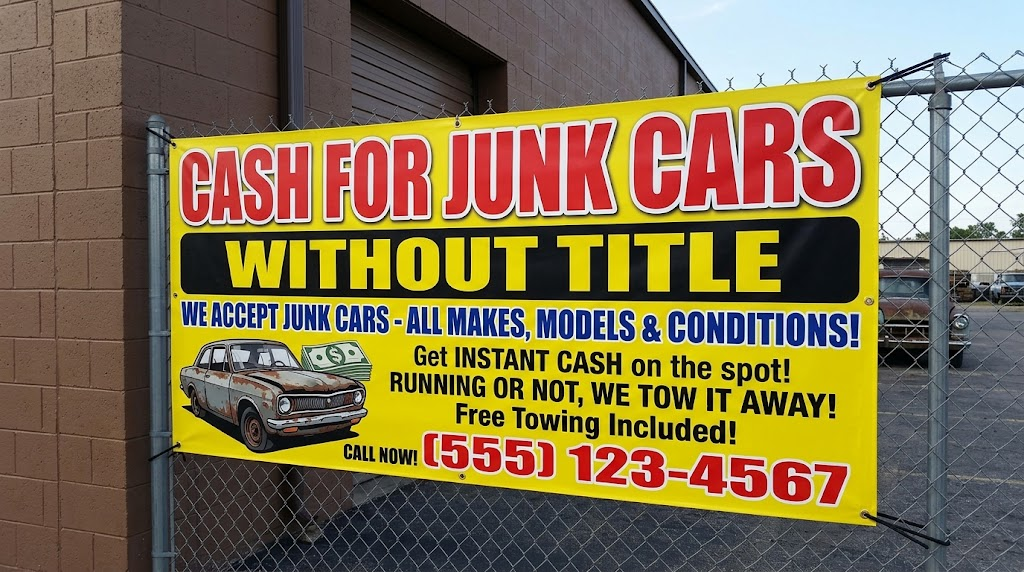
Lost the title? Never received it from a previous owner? Still have an old car sitting in the driveway that you cannot legally sell? You are not stuck. Cash for junk cars without title is possible in many states, but the rules depend on where you live, and the wrong buyer can leave you with legal risk.
This guide explains how the process works, what paperwork replaces a title, how to spot scams, and how to get the best offer without breaking the law.
Can You Really Sell a Junk Car Without a Title?
Sometimes yes, sometimes no. A title proves ownership, so most buyers want one. However, many states allow alternatives, especially for older or low value vehicles. Others require you to apply for a duplicate title first.
The short version:
- Some states allow a sale with a bill of sale and your registration or ID, particularly for older vehicles.
- Some states accept a signed affidavit or a special junk or salvage form.
- Some states require a title in every case, but a duplicate is often quick and inexpensive.
Because the rules change by state, always confirm with your local DMV or motor vehicle agency before you hand over the keys.
Why a Title Matters (And Why Legitimate Buyers Ask for Proof)
A title protects both sides. For you, it proves the car is yours and releases you from future liability. For the buyer, it proves they are not purchasing a stolen vehicle.
If a company says it will buy any car with no paperwork at all, no questions asked, be careful. Legitimate junk car buyers still verify ownership, even when they do not need the original title.
Documents That Can Replace a Missing Title
Depending on your state and the vehicle, these items may be accepted:
- Valid government photo ID
- Current or past registration in your name
- Bill of sale with buyer and seller details, date, price, and the vehicle identification number
- Affidavit of ownership or a lost title statement
- Lien release if a lender was paid off
- Previous owner paperwork if you bought the car but never transferred it
- Junk or salvage certificate where your state offers one
Keep copies of everything. Photograph the vehicle, the VIN, and the signed documents before the tow truck leaves.
Your Options Without a Title
There is no single best path. Here is how to choose:
1. Apply for a duplicate title.
This is the cleanest option and usually raises your offer, since buyers pay more for a car with a clear title. Fees and processing times vary, and some states issue duplicates within days.
2. Sell with alternate paperwork.
If your state allows it, a bill of sale plus registration and ID may be enough, especially for older vehicles.
3. Use a licensed junkyard or auto recycler.
Licensed yards know their state rules and often handle the paperwork for you.
4. Sell for parts.
If the car is truly scrap, a dismantler may follow a different process than a regular dealer. You still need to prove ownership.
5. Fix a title problem first.
If the title is in someone else’s name, a lienholder has a claim, or the car was abandoned on your property, there are legal steps to follow before selling. A short call to the DMV can save weeks.
The Ownership Check (What Most Articles Skip)
Before you request a quote, answer these questions. They decide which route you can take:
- Is the vehicle registered in your name?
- Do you have a lien on it? If a lender is listed, get a release.
- Did you buy it from a previous owner who never signed over the title?
- Is the vehicle in your state, or registered in another?
- How old is it, and what is its approximate value?
- Is it on private property you own?
If you answer these honestly, a good buyer can tell you what is possible in minutes.
How the Process Works, Step by Step
- Gather your information. Collect the VIN, make, model, year, mileage, and condition.
- Locate your documents. Find your ID, registration, bill of sale, or any proof of ownership.
- Request quotes from several buyers. Compare at least three offers.
- Confirm what paperwork the buyer needs. Ask them to state it clearly before you agree.
- Schedule pickup. Most buyers offer free towing, but confirm this in writing.
- Sign the paperwork. Verify names, VIN, date, and price before signing.
- Get paid. Receive payment at pickup, and get a receipt.
- Notify your DMV and insurer. Submit a release of liability form where your state offers one, and cancel your insurance and registration.
How Much Cash Can You Get for a Junk Car?
Offers depend on several factors:
- Vehicle weight and scrap metal prices. Heavier cars bring more scrap value.
- Make, model, and year. Popular models have more demand for parts.
- Condition of parts. Catalytic converters, engines, transmissions, and batteries can add value.
- Whether it runs. A running car is worth more than a non running one.
- Location. Prices differ between cities and regions.
- Paperwork. A clean title often earns a higher offer than a car sold without one.
Many junk cars sell somewhere between a few hundred dollars and a couple thousand, though newer or higher demand models can bring more. Treat any quote as an estimate until the buyer inspects the car.
Red Flags and Scams to Avoid
Missing paperwork makes sellers easy targets. Watch out for:
- A quote that drops sharply at pickup. Ask for a written offer and refuse to accept last minute reductions.
- Hidden towing or admin fees. A fair buyer states all costs upfront.
- No business address, license, or reviews.
- Requests to sign blank documents. Never do this.
- Payment promised later. Get paid when the car leaves.
- Pressure to decide immediately.
- Buyers who will not give you a receipt or bill of sale.
If the deal feels unclear, walk away and call another buyer.
Protecting Yourself After the Sale
Selling is not finished when the car leaves your driveway. Protect yourself:
- Keep a signed bill of sale and a photo of the vehicle at pickup.
- File a release of liability or notice of sale with your DMV if required.
- Remove your license plates if your state requires it.
- Cancel insurance only after the car is gone and the paperwork is filed.
- Keep your records for at least a few years.
This prevents parking tickets, tolls, or legal issues tied to a car you no longer own.
Questions to Ask Any Junk Car Buyer
- Are you licensed and insured in my state?
- What documents do you need from me?
- Is towing free, and are there any other fees?
- Will you provide a written quote and a bill of sale?
- How and when will I be paid?
- Can you handle the DMV notification, or do I file it?
- What happens if the car differs from my description?
Final Thoughts
Cash for junk cars without title can work, but only when you follow your state’s rules and choose a trustworthy buyer. Start by confirming what documents your state accepts, gather proof of ownership, compare several quotes, and never skip the paperwork at the end. A few extra minutes of preparation protects your money and keeps your name clear of any future problems.
FAQ
Can I sell a junk car without a title?
In many states, yes, with alternate paperwork such as a bill of sale, registration, and ID. Other states require a title or a duplicate. Check with your local DMV.
What if the title is lost?
You can usually apply for a duplicate title through your state motor vehicle agency. It is often the easiest way to avoid delays and earn a better offer.
Will a junk car buyer pay me cash on the spot?
Many do, but payment method varies. Confirm the payment method before pickup and get a receipt.
Can I sell a car that is not in my name?
Generally no. If the title is under someone else’s name, you need their signature, or you must follow your state’s process to correct ownership first.
What if there is a lien on the car?
The lender must release the lien before a legal sale. Contact the lender for a payoff or release letter.
How fast can I get my car picked up?
Many buyers offer same day or next day pickup, depending on your area and paperwork.
Does it matter if the car does not run?
No. Junk car buyers accept non running vehicles. The price will reflect condition and scrap value.