
Discovering the Best Flavors at a Kintamani Restaurant in Bali
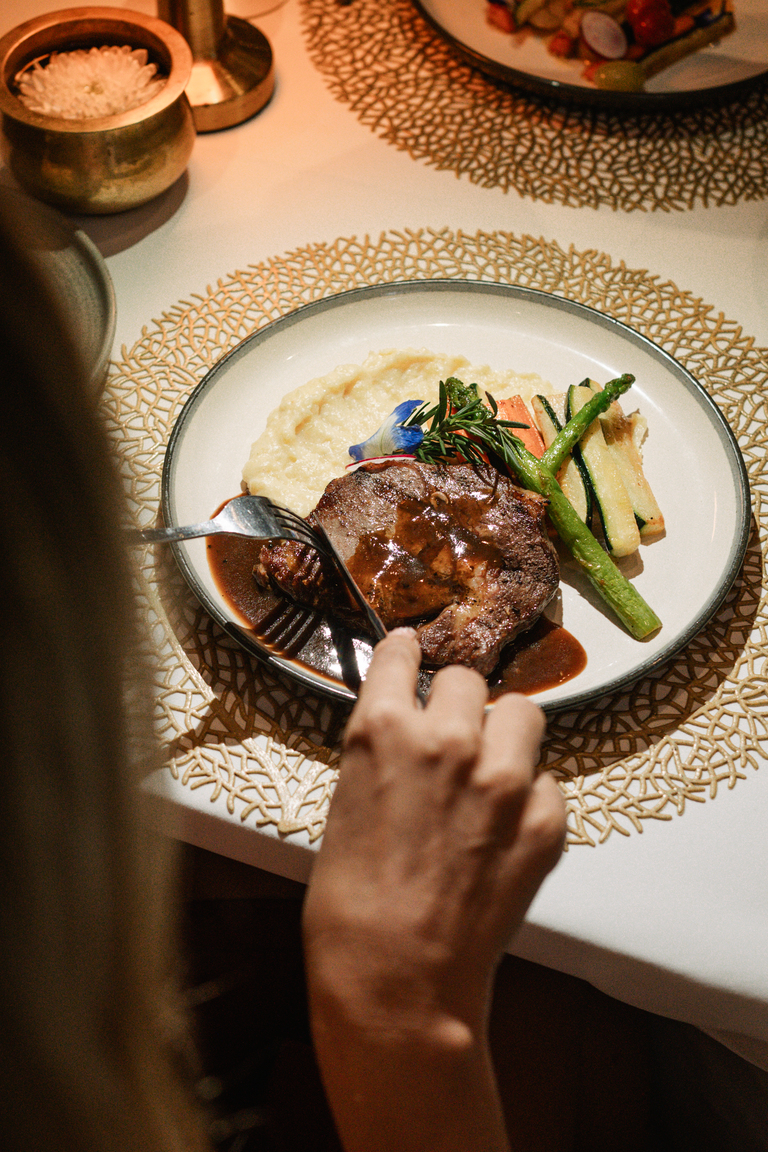
Exploring Balinese Culinary Heritage
Bali’s food scene is a vibrant tapestry woven from centuries-old traditions, fresh local ingredients, and the island’s unique spice profile. Travelers often seek out authentic experiences that go beyond the typical tourist fare, looking for dishes that tell a story of the land and its people.
From the fragrant aroma of lemongrass simmering in a coconut broth to the smoky char of grilled fish, every bite reflects the island’s rich agricultural bounty. Understanding the cultural context behind each recipe enhances the dining experience, turning a simple meal into a memorable journey.
Traditional Ingredients and Techniques
Key ingredients such as turmeric, galangal, and kaffir lime leaf are staples in Balinese kitchens. These elements are combined using methods like slow roasting, steaming in banana leaves, and grilling over coconut husk charcoal, which impart distinct flavors that are both bold and nuanced.
Regional Influences
The eastern region of Bali, particularly around Mount Batur, contributes a unique terroir to the island’s gastronomy. Volcanic soil nurtures aromatic herbs, while the cool mountain climate yields vegetables with a crisp, refreshing taste that balances the island’s typically spicy palate.
What Sets a Kintamani Restaurant Apart
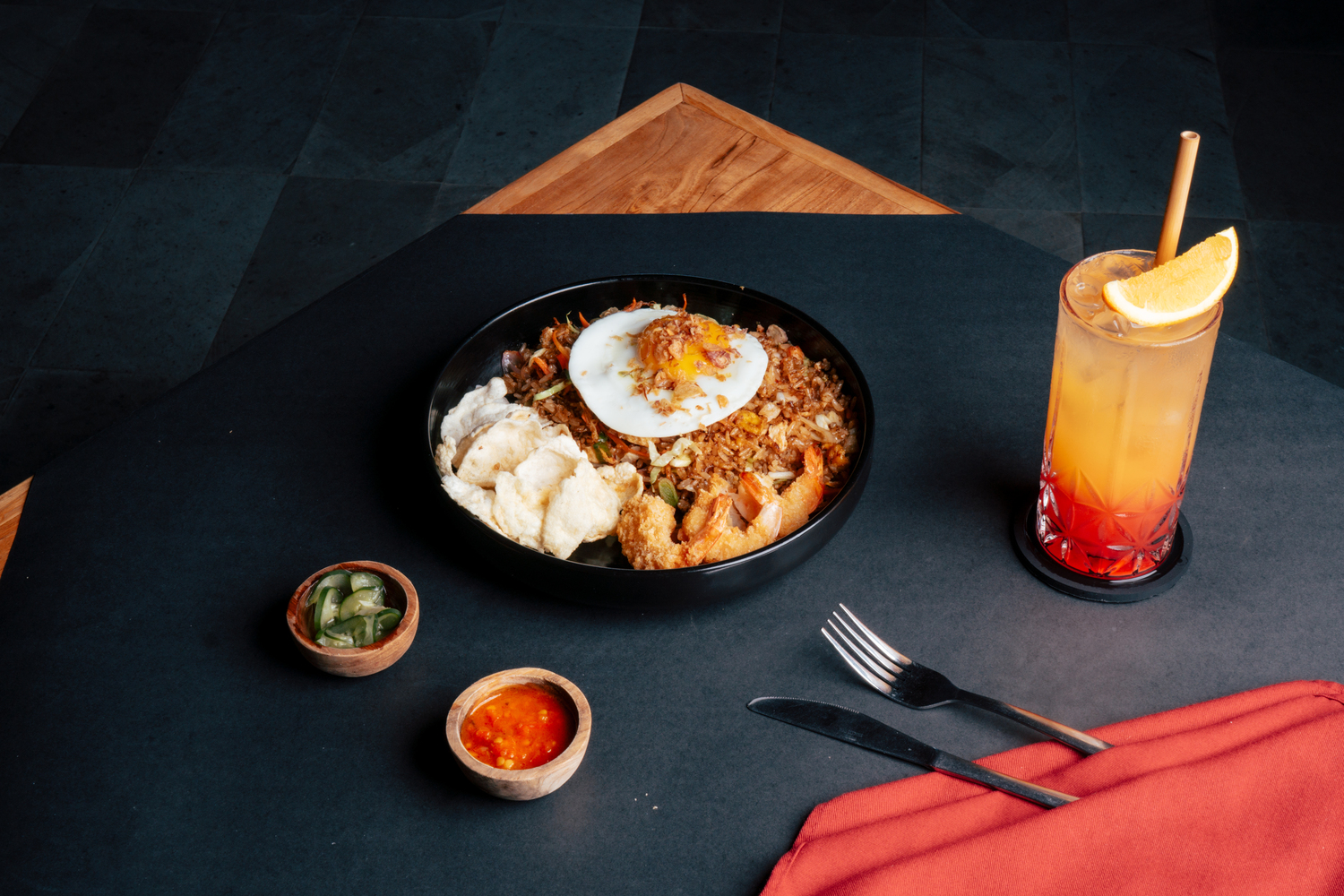
When searching for an unforgettable dining spot, many visitors gravitate toward establishments that showcase the region’s signature dishes with a modern twist. A standout venue often blends traditional recipes with contemporary presentation, creating a bridge between past and present.
Attention to detail is evident not only in the food but also in the ambience. Open-air seating with panoramic views of volcanic landscapes, soft Balinese music, and attentive service all contribute to a holistic sensory experience.
Signature Dishes to Try
One must‑try is the “Bebek Betutu,” a slow‑cooked duck marinated in a blend of spices and wrapped in banana leaves, resulting in tender, flavorful meat that falls off the bone. Another classic is “Lawar,” a mixed salad of minced meat, coconut, and herbs, offering a perfect balance of textures.
Innovative Culinary Creations
Chefs at top venues often experiment with local superfoods, incorporating ingredients like kelapa muda (young coconut) into desserts or using tempeh in inventive appetizers. These creative dishes honor tradition while appealing to adventurous palates.
For those seeking a refined yet authentic experience, a visit to Kintamani Restaurant provides a perfect blend of heritage and innovation, showcasing the best of Balinese cuisine in an elegant setting.
Choosing the Ideal Spot for a Culinary Adventure
Location, atmosphere, and menu diversity are critical factors when selecting a place to dine. Proximity to cultural landmarks allows guests to combine sightseeing with a gastronomic journey, maximizing their time on the island.
Many establishments also offer cooking classes, giving diners the chance to learn how to recreate beloved dishes at home. Engaging with local chefs not only deepens appreciation for the cuisine but also supports community sustainability.
Balancing Price and Quality
While high‑end restaurants provide impeccable service and exquisite plating, there are also budget‑friendly options that deliver authentic flavors without compromising on quality. Reading reviews and checking menus online can help travelers set realistic expectations.
Specialty Cafés and Relaxed Settings
For a more laid‑back experience, a cozy spot with artisanal coffee and light bites can be the perfect midday retreat. The relaxed vibe encourages conversation and a leisurely appreciation of the surrounding scenery.
Visitors looking for a charming spot to unwind can head to Kintamani cafe, where the serene environment and expertly brewed beverages complement the island’s natural beauty.
Making the Most of Your Dining Experience
To fully enjoy the flavors of Bali, consider timing your meals to align with local customs. Lunch is often a lighter affair, while dinner showcases more elaborate dishes, allowing chefs to display their full culinary repertoire.
Pairing meals with traditional drinks, such as fresh coconut water or locally brewed arak, can enhance the overall taste profile. Don’t hesitate to ask staff for recommendations; their insights often lead to hidden gems on the menu.
When planning a special night out, reservations at renowned venues are advisable. Securing a table at Kintamani Bali Restaurant ensures a memorable evening, complete with attentive service and a menu that highlights the island’s finest ingredients.
Conclusion
Discovering the best flavors in Bali involves more than just sampling popular dishes; it requires an immersion into the island’s culture, history, and natural environment. By choosing establishments that honor tradition while embracing innovation, travelers can experience a culinary journey that resonates long after the meal is over. Whether you dine at a refined restaurant, a relaxed cafe, or a vibrant local eatery, each bite offers a glimpse into the soul of Bali’s rich gastronomic heritage.