
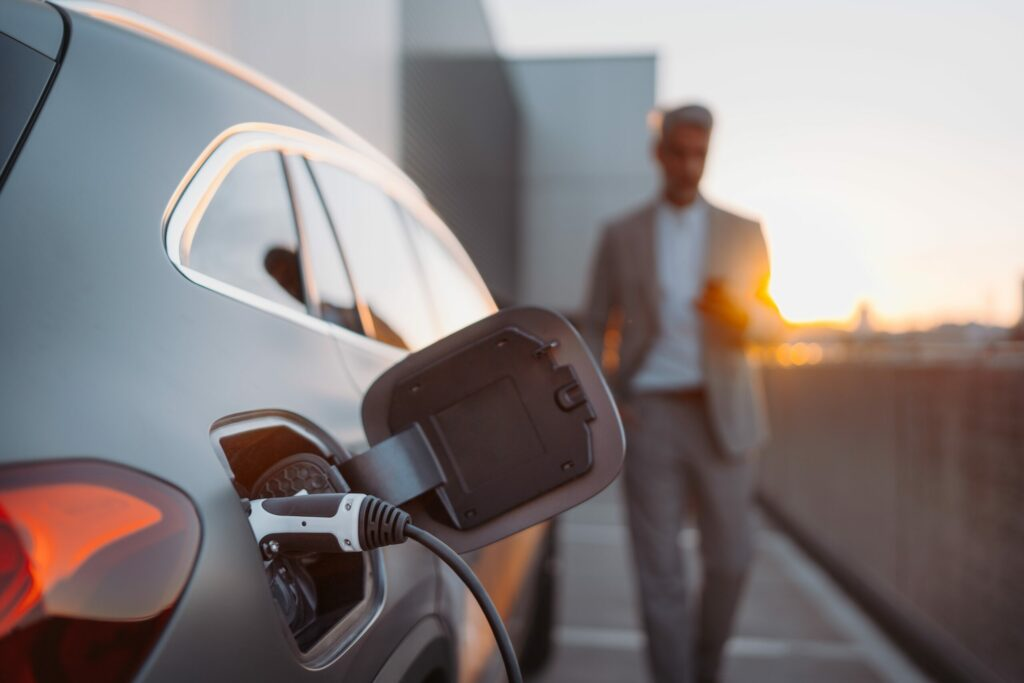
As electric vehicle (EV) adoption continues its rapid climb, the convenience of refueling at your own doorstep has become a primary driver for new owners. However, many homeowners worry about the impact of a high-capacity appliance on their monthly utility expenses.
In 2026, the strategy for cost-effective ownership lies in optimizing your home EV charger usage. By understanding grid dynamics and utilizing modern technology, you can ensure that your transition to green energy remains as affordable as it is sustainable
Understanding the Economics of Residential EV Charging
The financial advantage of switching to an electric powertrain is most evident when analyzing Residential EV charging costs. According to a 2026 report by IEA (International Energy Agency), global electricity demand is projected to grow by 3% annually through 2035, with EVs and data centers acting as the primary catalysts.
In markets like India, home charging typically costs between ₹5 and ₹10 per kWh, which is significantly lower than the ₹15 to ₹25 per kWh often found at public DC fast-charging stations. By performing the majority of your charging at home, you can achieve a “fuel” cost as low as ₹1.20 per kilometer, compared to the ₹7 to ₹9 per kilometer typical of internal combustion engines.
Leveraging a Smart EV Charging Station for Peak Efficiency
The most effective way to slash your bill further is by installing a smart EV charging station. Unlike basic plug-and-play units, smart chargers allow users to participate in demand-response programs and leverage Time-of-Use (ToU) tariffs offered by many utility providers.
A smart EV charging station can be programmed to start charging during “off-peak” hours; typically, between midnight and 6:00 AM; when electricity rates are at their lowest. Industry data from 2026 suggests that shifting charging to these hours can reduce the energy portion of your utility bill by 20% to 40%. Additionally, these systems can sync with on-site solar panels, allowing you to charge your vehicle directly from “behind-the-meter” renewable energy.
Optimizing Your Charging Hardware for Longevity
When you choose to install a home EV charger, right sizing the hardware is just as important as the timing. While high-amperage “beast” chargers are attractive, a standard 7.4 kW Level 2 unit is often sufficient for overnight charging and significantly cheaper to install.
McKinsey’s Global Energy Perspective 2025 highlights that as electrification gains momentum, equipment efficiency will be a key differentiator for household savings. Ensuring that your home’s electrical panel is optimized and that your charging software is updated will prevent energy leakage and maintain battery health over the long term.
Conclusion
Reducing your electricity bill while charging an EV is not about limiting your travel; it is about managing your energy profile. By utilizing a home EV charger during off-peak windows and investing in a smart EV charging station, you can transform your vehicle into an asset rather than a liability.
As the grid becomes increasingly decentralized, the ability to manage your Residential EV charging footprint will be the hallmark of a savvy, modern homeowner.