
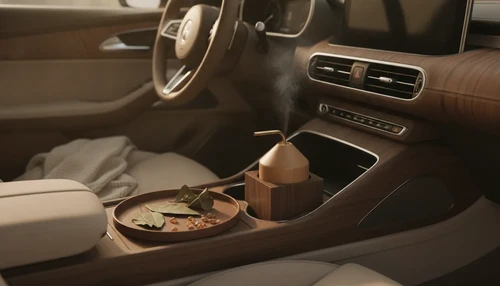
Entering a vehicle that looks immaculate but smells off creates an immediate disconnect. A car’s interior design engages sight and touch, but olfactory experience shapes how the space actually feels. Standard hanging cardboard trees or overpowering synthetic sprays often clash with high-end cabin materials, ruin visual symmetry, and disrupt the overall aesthetic.
Selecting an air freshener should be approached with the same care as choosing interior trim, seat upholstery, or custom floor mats. By matching fragrance profiles, mounting styles, and material finishes to your vehicle’s specific interior design, you can create a cohesive driving environment that appeals to every sense. Many drivers rely on wholesale car air fresheners to keep their vehicles smelling clean and to eliminate lingering odors.
Understanding the Visual Impact of Fragrance Accessories
The first mistake many drivers make is treating a car air freshener purely as a functional utility rather than an interior accessory. Placing a brightly colored cardboard cutout on a rear view mirror draws unnecessary attention to a focal point that should remain clean and unobstructed. In a sleek modern cabin filled with brushed aluminum, leather, and dark synthetic surfaces, a vivid plastic clip mounted to an air vent acts as a visual distraction.
When choosing an air freshener, consider how its form factor blends into the existing dashboard architecture. High-end accessory design focuses on minimalism and integration. Sleek aluminum canisters, subtle wooden diffusers, or hidden under-seat inserts allow the fragrance to perform its job without disrupting the cabin’s visual balance. If the accessory must be visible, it should match the metal accents, leather stitching, or wood grain already present inside the vehicle.
Matching Fragrance Profiles to Cabin Materials
Fragrance creates an invisible atmosphere that either enhances or contradicts your car’s interior materials. A luxurious leather cabin requires a very different scent profile than a utilitarian vehicle designed for daily commuting or outdoor adventure.
Vehicles equipped with rich leather upholstery, real wood trim, and warm ambient lighting benefit from grounded, sophisticated notes. Fragrances featuring sandalwood, cedar, tobacco, amber, and refined leather complement the existing natural aromas of a luxury cabin without overwhelming the space. These deeper, warmer scents reinforce the feeling of craftsmanship and comfort.
Conversely, sports cars with carbon fiber accents, suede trim, and minimalist styling pair better with crisp, modern fragrance profiles. Clean linen, light citrus, ozone, and subtle mineral notes evoke precision and freshness. Avoid heavy floral or sugary sweet scents in sporty or technical interiors, as they tend to feel artificial against technical fabrics and modern composite materials.
For commuter cars featuring durable cloth seats and utility plastics, fresh and airy scents work best. Crisp apple, eucalyptus, green tea, and mild botanical blends mask everyday odors while maintaining an open, clean feel inside the cabin.
Maintaining Cabin Air Quality and Cleanliness
A fragrance device cannot replace basic interior maintenance. Applying heavy scent over accumulated dirt, food crumbs, or damp upholstery creates an unpleasant mixed odor rather than a clean environment.
Before introducing a new air freshener, thoroughly clean the interior. Vacuum cloth seats and carpets, wipe down plastic and metal surfaces with appropriate interior cleaners, and condition leather trim. Replacing the cabin air filter regularly is another crucial step that ensures incoming air remains clean and free of ambient dust or mold spores. Once the baseline environment is clean, your chosen fragrance will diffuse cleanly and perform as intended.
Rotate fragrances periodically to avoid olfactory fatigue. When you use the same scent for months, your brain adapts and stops perceiving it, prompting you to add more fragrance than necessary. Switching scents every few months keeps the experience fresh and allows you to adjust scent profiles to suit changing seasons.
Conclusion
Curating your vehicle’s interior environment requires equal attention to visual alignment, material quality, and ambient scent. By moving past cheap, disposable options and selecting air fresheners that feature refined materials, subtle designs, and complementary fragrance notes, you elevate your daily drive. Whether you prefer an invisible under-seat container or a crafted metal vent clip, matching your air freshener to your cabin transforms your vehicle into a polished, harmonious space every time you open the door.